
Have a question? Call us Now
+91 9825072799
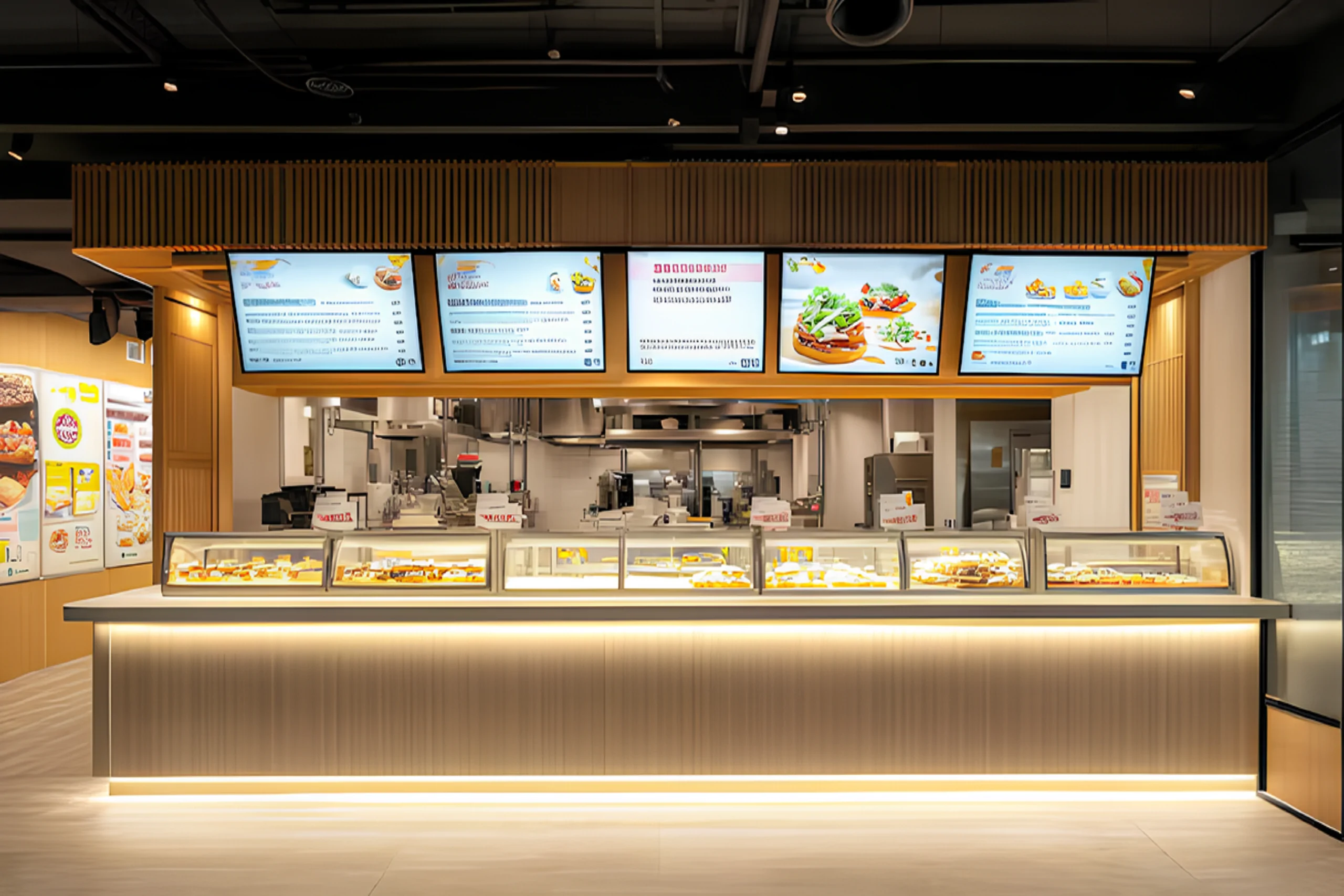
In retail, the few seconds that a customer spends at your display counter can define whether they make a purchase or walk away. The way dishes are showcased influences perception, stimulates appetite or desire, and ultimately shapes purchasing decisions.
A counter isolates the product from visual clutter, establishing a clear focal point. The eye naturally lands where lighting, symmetry, and arrangement guide it. This increases the product’s perceived value and draws browsers closer.
Let’s understand how the psychology of display counters works in restaurants, bakeries, and other food business outlets.
Imagine a valuable, high-quality dish presented at the top of a display counter; it instantly commands attention and signals exclusivity. Now, remove the counter. The same dish loses its stage, and it appears to be ordinary despite its quality.
In commercial settings, it is important to direct the attention of the visitors towards your dishes. The human brain processes visual information faster than any other sensory input, which means the way products are displayed directly impacts how customers perceive quality, freshness, and value.
So, effective visual merchandising uses psychological principles of attention, contrast, and association to shape purchase intent. For example, using a warm light display counter for showcasing premium dishes subconsciously signals freshness or luxury and placing brightly colored desserts at eye level draws instant attention through visual contrast.
The way you present the dishes or offerings attracts the customers, and the design of the display counter plays an important role.
Have you ever thought of how one thing stands out in a world where store shelves are packed with hundreds of items? Studies suggest that compelling in-store displays cause almost 40% of consumers to make impulsive purchases. Custom displays make your products more noticeable and appealing, much like the finest places on the shelf.
Additionally, shopkeepers can also use these screens as blank canvases to communicate their story. The vibrant display of cakes, pastries, and pies on the pastry display counter invites you into a delectable world rather than merely showcasing the products. This is why it’s an effective method of connecting with clients.
Emotional reactions from your customers can have an impact on purchasing decisions. Some key factors of custom display counters entice customers with eye-catching displays showcasing crisp produce, farm-fresh dairy, fresh meat and deli items, and baked goodies. Here’s how:
Product placement techniques guarantee that merchandise is positioned to guide customers through the store. Your in-store product placement is more effective when you work with creative retail displays. Here’s what you must consider:
| Considerations | Display Counter Type | Usage |
|---|---|---|
| Space | Inline Display Shelves, multi-tiered display |
|
| Pricing | Counter displays, end cap displays |
|
| Eye Level | Counter display, palette displays |
|
A well-thought-out display counter design can successfully draw in customers and sway their decisions to buy. These displays are more visible and stimulate impulsive purchases when they are placed in high-traffic places, including right at the door or next to the checkout counter. They form a bridge between your products and the customers by:
There is more to a successful display counter than just showcasing your products. It maintains them clean, fresh, and visually appealing. Here are a few red flags that many business owners might not notice, costing them money, time, and clients.
Maintaining the proper temperature and humidity level for candies, cakes, or baked products is the main feature of a display counter, so one should not ignore the warning signs.
Focusing solely on a display counter’s functional features while overlooking its presentation and display counter design is a common mistake. Customers often “buy with their eyes first” at bakeries and candy stores, thus aesthetic appeal is crucial.
Durability and hygiene are two things that cannot be sacrificed, but many store owners make the mistake of selecting less expensive, subpar display counters.
Display counters require routine maintenance and sporadic repairs, just like any other piece of equipment. However, many suppliers don’t provide trustworthy post-purchase assistance.
The psychology of packaging and personalised retail displays is an interesting exploration of the human psyche. Are you prepared to grow your retail or food business? Head to Riddhi Display to explore distinctive and striking display counters that will make you stand out from the competitors. Shop display counters from end caps, retail displays, and custom corrugated displays to attract customers today!
1. What constitutes an effective display counter?
Counters are aesthetically pleasing and simple to explore when they are well-lit, organised, have clear signage, and have easily accessible product placement.
2. What is the psychology of store design?
It involves experimenting with design elements such as placement, colour, typefaces, and ease of navigation to elicit a particular response from clients and persuade them to comply.
3. What impact does display counter design have on purchasing decisions?
Through colour, lighting, and positioning, a well-thought-out counter arrangement draws customers in, emphasises important products, and gently promotes impulsive purchases.
4. How do displays draw in customers?
End-caps, high-traffic areas, and premium placements make new products stand out. While complementing products, secondary displays promote exploration and impulsive purchases.
5. How can businesses maximise sales at counters?
Businesses can use seasonal themes, rotate products frequently, and keep new or high-margin items at eye level to pique customers’ interest right away.
Copyright by Riddhi Display. All rights reserved.
Powered by: Icecube Digital