
Have a question? Call us Now
+91 9825072799

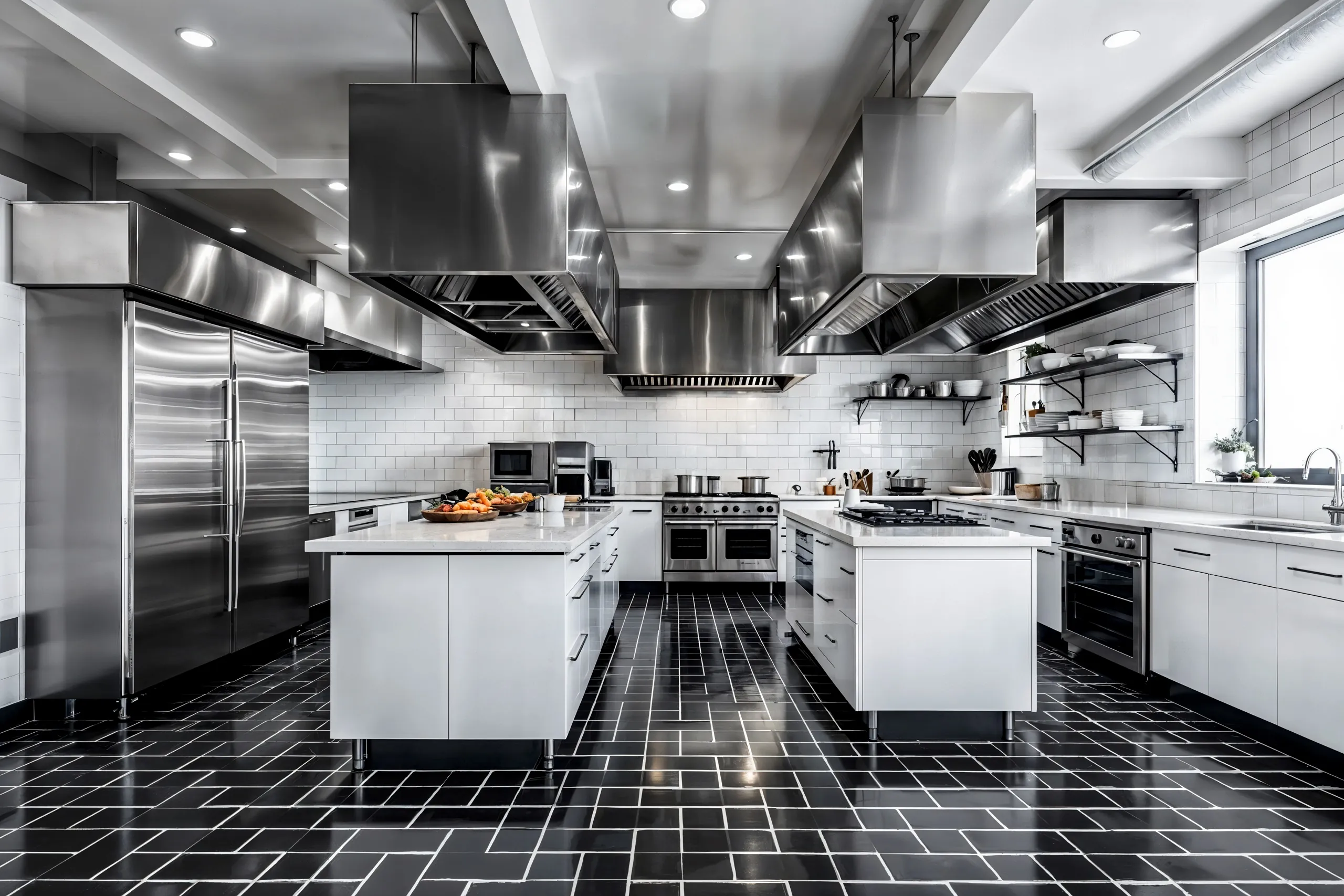
India needs to achieve three operational standards which include hygiene practices and quick service and steady performance because these standards determine success in its expanding food service market. The backbone of every efficient kitchen is the right restaurant kitchen equipment. Modern commercial restaurant equipment operates daily by securing food safety standards and improving layout efficiency and increasing employee productivity. Choosing professional-grade equipment is not just an investment in tools but in long-term business performance and customer trust.
The kitchen equipment used in restaurants throughout India consists of dedicated machines and instruments which are specifically developed for preparing and cooking large quantities of food. The equipment package contains cooking ranges and refrigeration units and preparation tables and storage racks and ventilation systems. The design of commercial equipment differs from domestic appliances because it needs to support continuous operation at maximum capacity.
Indian restaurants need specific equipment which includes tandoor ovens and dosa plates and high-capacity burners to support their regional cooking needs. A restaurant equipment supplier enables businesses to select appropriate kitchen equipment according to their kitchen dimensions and menu specifications and their business operations.
The major categories include:
Each type supports a specific kitchen function and improves overall workflow.
Hygiene requirements and durability standards and operational efficiency needs define the design of modern commercial restaurant equipment. The stainless steel construction of the equipment enables simple cleaning operations while it protects against rust and contamination. The temperature control systems of the facility maintain safe cooking and food storage conditions.
The restaurant industry benefits from energy-efficient designs which decrease both power consumption and gas usage to assist restaurants in managing their operational expenses. The kitchen space design permits staff members to perform their duties in comfort through its ergonomic features and its compact design.
Every restaurant places food safety as its most important operational requirement. Restaurant kitchens need high-quality equipment which uses food-grade materials that can be easily cleaned and protect against bacteria. The use of smooth surfaces prevents food residue accumulation which decreases the possibility of contamination.
Refrigeration equipment maintains safe temperatures for ingredients which helps to prevent both spoilage and bacterial growth. The ventilation systems function to extract smoke and grease and heat which results in a better cooking atmosphere. The implementation of dedicated storage areas for raw and cooked food items helps restaurants to maintain safety standards while reducing the chances of cross-contamination.
A kitchen layout that achieves proper organization delivers faster service times and better staff coordination. The design of commercial equipment enables installation in modular spaces which improves operational efficiency throughout the entire area.
The correct location of cooking areas and preparation spaces and washing zones establishes an efficient kitchen workflow. The combination of space-saving equipment and multipurpose appliances enables efficient kitchen organization throughout the facility. The layout achieves maximum efficiency during busy times when fast service delivery becomes critical.
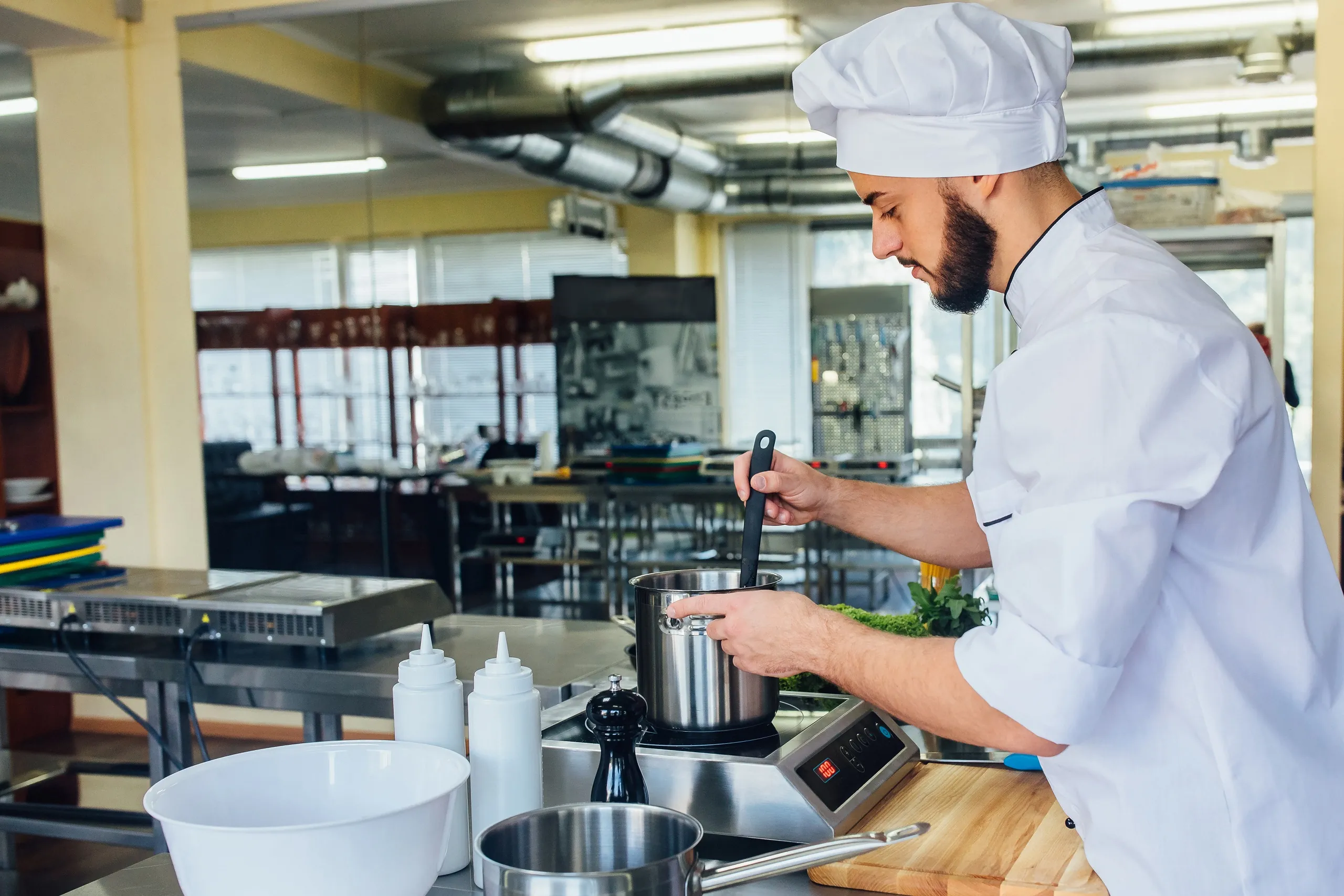
The productivity for chefs and restaurant staff increases when they use dependable and efficient equipment. Food preparation equipment with high cooking capacity delivers uniform cooking results at faster speeds which decreases customer waiting times. Automated machines handle repetitive tasks such as chopping, mixing, and slicing, saving labor and time.
The system maintains its operational efficiency because it requires fewer maintenance breaks and service interruptions. The restaurants experience increased customer service capacity because their food quality and operational efficiency stay intact.
Restaurant owners need to consider kitchen size and cuisine type and safety regulations when choosing equipment. The two essential elements that determine total expenses for future periods need to be evaluated through energy efficiency and product durability assessment.
The process requires assessment of warranty terms and after-sales support and installation assistance. A reputable restaurant equipment supplier provides businesses with expert advice and tailored solutions which meet their unique requirements.
India has several manufacturers offering commercial kitchen solutions. One recognized name is Riddhi Display, known for producing durable and customized restaurant kitchen equipment. Their focus on design efficiency, safety standards, and performance helps restaurants build modern kitchens that support productivity and hygiene.
| Feature | Restaurant Kitchen Equipment | Domestic Kitchen Equipment |
|---|---|---|
| Usage | Heavy-duty commercial use | Light household use |
| Durability | High, stainless steel build | Moderate |
| Capacity | Large quantity cooking | Small portions |
| Safety Standards | Commercial food safety compliance | Basic safety features |
| Cost | Higher investment | Lower cost |
Regular maintenance activities protect safety while extending equipment lifespan. The cleaning process, which takes place every day, eliminates all grease and food waste from the environment. The monthly service inspection conducted by professionals enables teams to discover equipment faults at their earliest stage. Staff members need training to handle equipment properly while they should also learn to track temperature and power consumption for maintaining system performance.
Choosing the appropriate restaurant kitchen set up in India is critical towards food safety, layout performance, and output. The contemporary business restaurant machinery enhances cleanliness in cooking, orderly operations, and quicker service. The identification of good equipment out of a reputable restaurant equipments vendor can enable the restaurants to enhance operational performance and create long-term customer confidence.
1 .Why is commercial kitchen equipment better than domestic equipment?
Commercial equipment is designed for heavy use, higher hygiene standards, and faster cooking.
2.How does kitchen equipment improve food safety?
It maintains proper temperature control, prevents contamination, and supports easy cleaning.
3. What should I consider when buying restaurant kitchen equipment in India?
Kitchen size, cuisine type, energy efficiency, and after-sales service are key factors.
4. How often should restaurant equipment be maintained?
Daily cleaning and monthly professional servicing are recommended.
5. Can the right equipment really increase productivity?
Yes, efficient equipment reduces preparation time and helps handle more customers smoothly.
Copyright by Riddhi Display. All rights reserved.
Powered by: Icecube Digital