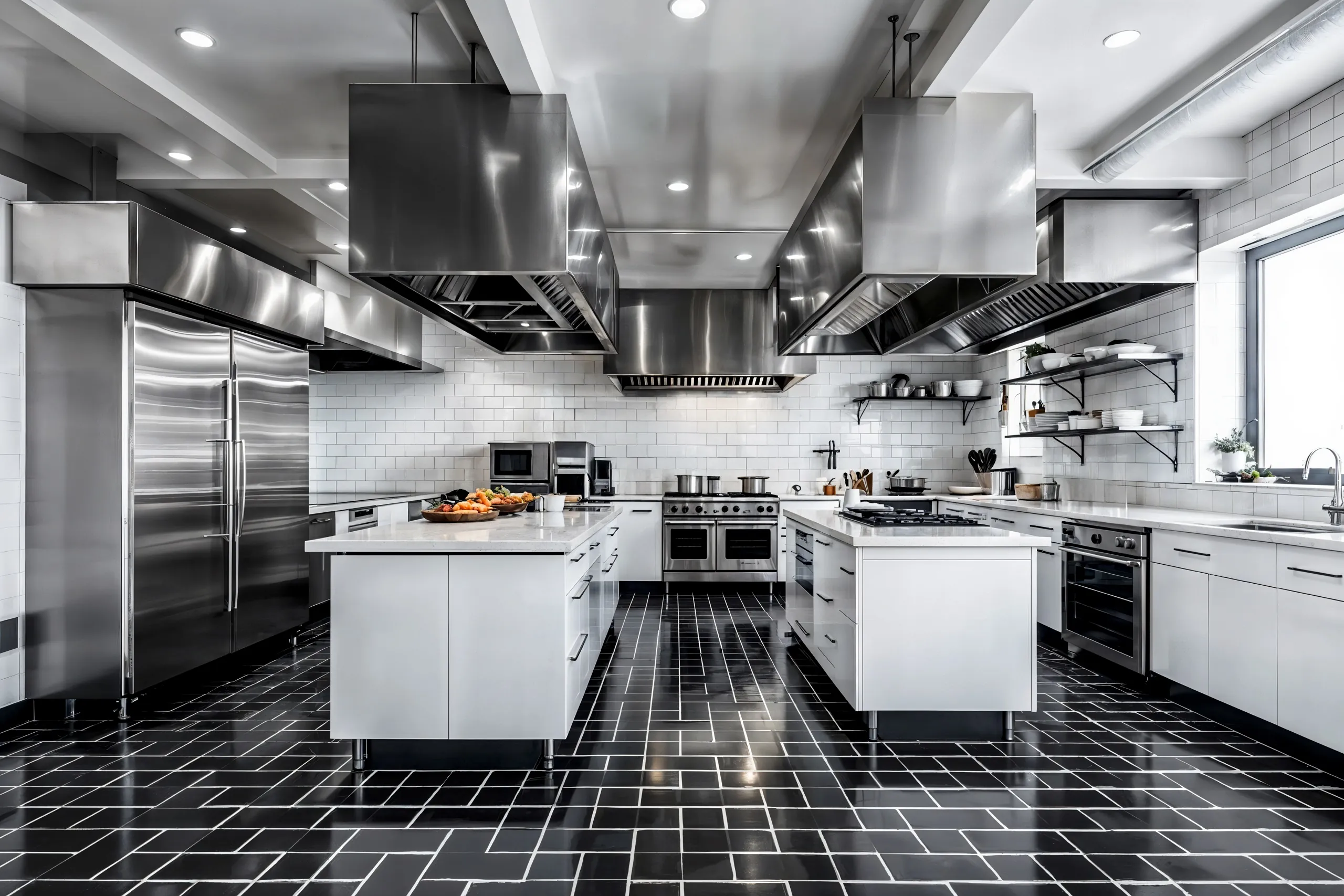
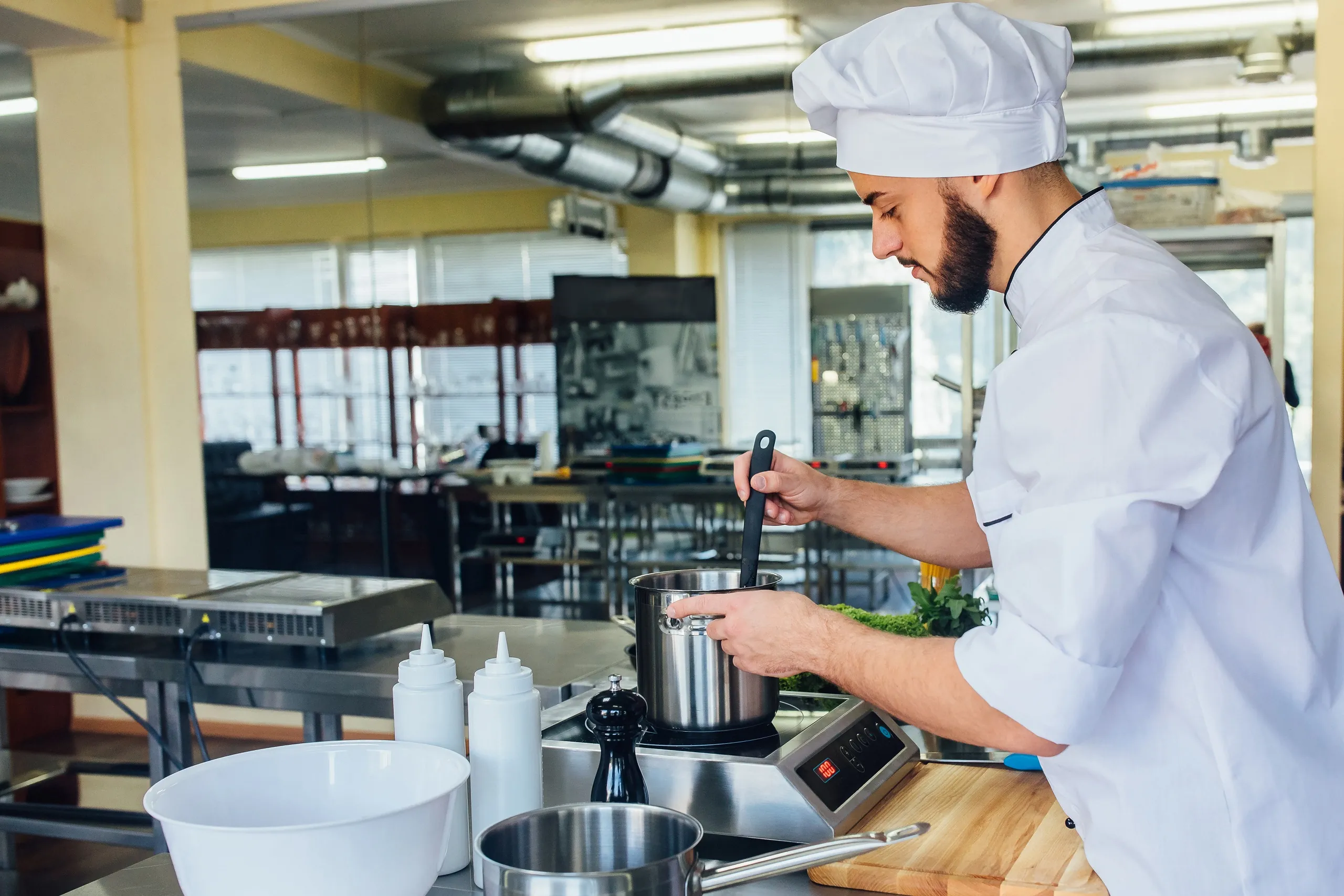
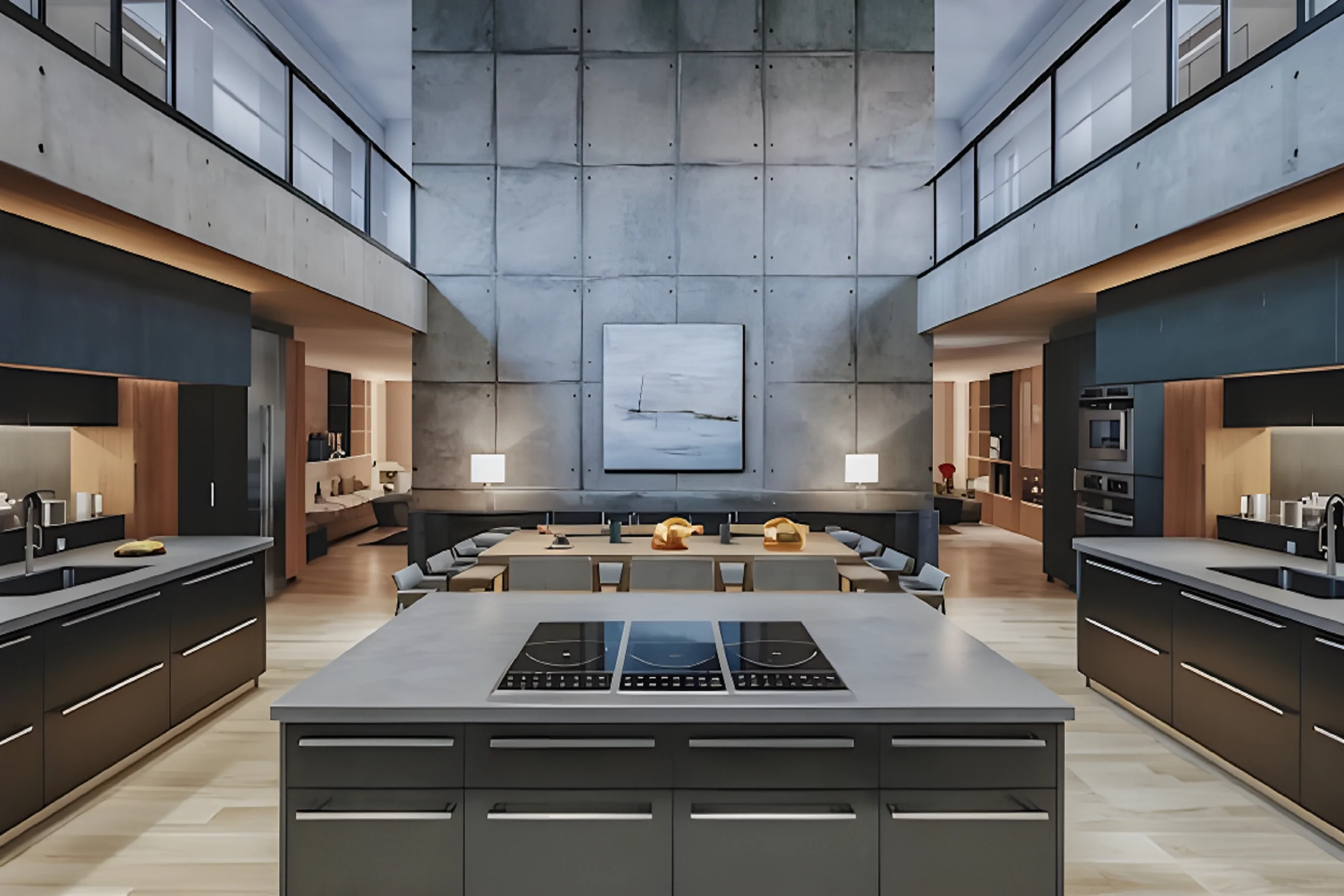
The kitchen behind all memorable hotel dining experiences operates like clockwork. Whether it is room service at midnight or full of people breakfast buffets, a hotel kitchen will be under pressure all the time. This is where intelligent hotel kitchen design will make all the difference.
Smart hotel kitchen design is the strategic planning of hotel kitchen that involves layout, modern hotel kitchen equipment, workflow optimization, energy efficiency, and safety compliance. This is combined to meet customized needs of the hospitality industry.
In contrast to the traditional kitchen layout, a smart hotel kitchen design pays attention to the way in which the chefs, staff, and equipment interact with the area. It guarantees faster food preparation, quickness of service at peak times, low cost of operations and uniform food quality.
What are the Common Smart Hotel Designs?
Small hotel kitchen designs are utilizing limited space by means of compact designs, multi-functional outfits, and simplified processes. The medium hotel kitchen is flexible and efficient, with the separation of key work areas, but moderate volumes of service.
Hotel kitchen design is based on the high-capacity business and is characterised by well articulated zones, ventilation systems and heavy-duty hotel kitchen equipment. The size of every kitchen should be designed in a unique way to provide a smooth workflow, compliance with food safety, and the quality of the services.
Benefits of Smart Hotel Kitchen Setups and Designs
Faster food preparation
Improved staff efficiency
Reduced operational costs
Enhanced food safety
Better space utilization
Consistent service quality
Energy and resource savings
Higher guest satisfaction
What are the Common Hotel Kitchen Equipments
Tandoor
Hot Bain Marie
Double Deck Oven
Pot Wash Sink
Sandwich Griller (Single)
Catering Burner
Catering Chapatti Puffer
Deep Fat Fryer
Exhaust Hood
What are the Basics of Hotel Kitchen Design
1. Work Zones in a Hotel Kitchen
Preparation zone: A specialized zone to wash, chop, and pre-cook the food in order to keep it hygienically clean and fast.
Cooking zone: The ranges, ovens, fryers, and grills have a central location to guarantee effective coordination of the chefs.
Storage zone: Dry, cold, frozen storage should be separated in order to maintain the quality of foods and safety requirements.
Dishwashing zone: Dishwashing location is remote from food preparation to avoid contamination, as well as ease the cleanup.
Service zone: A pass or plating area that is strategically located to have a quicker handoff to front-of-house staff.
2. Open vs. Closed Kitchen Layouts
Open kitchen designs increase transparency, interaction with guests, and brand experience.
Closed kitchens have superior noise control, temperature, and freedom of operation.
Hybrid layouts are visually accessible/ functionally separated layouts in which visual or semi-walled layouts are subdivided into parts separated by a half-wall of glass.
3. Flow-In, Flow-Out Workflow Hotel Kitchen Design Principles
One way flow assures that raw materials and completed food do not intersect.
Flow-in involves the process of ingredients flow in receiving, storage, preparation, and cooking.
Flow-out involves dishes, cooking, plating, and service.
4. Prevention of Cross-Contamination & Traffic Routing
Well-defined personnel movement patterns to prevent overcrowding during the high service periods.
Raw Food, cooked food, waste, and clean dishes are all separated.
Flooring and physical barriers to strengthen hygiene areas.
Well-planned locations of hand washing and sanitary facilities.
5. Ventilation Planning and Exhaust Systems
Properly designed exhaust hoods help to eliminate heat, smoke, and grease.
Sufficient make-up air systems to keep the kitchen comfortable.
Meeting local fire and health standards.
Minimal energy use ventilation helps reduce energy operating costs in the long-term.
6. Access to Fire Safety and Emergency
Placing of fire suppression systems on cooking equipment.
There should be well-identified and clear emergency exits.
It is important to build walls, ceilings, and ducts should be made of fire-resistant materials.
It is crucial to fix fire extinguishers and emergency shut-off controls that are easily accessible.
7. Ergonomics & Staff Movement
Heightened counter optimized to minimize strain and fatigue.
Rational arrangement of machines to reduce bending, stretching, and walking.
Aisle width should be wide enough to allow two-way staff movement.
Design to support quicker service and enhance the efforts of the staff and their comfort.
Step-by-Step Guide on Hotel Kitchen Set-up
The initial phase in a hotel kitchen installation is a thorough site survey to know the available space, ceiling height, points of access, and structural constraints. Proper measurement of space prevents layout problems in the future.
The selection of the appropriate type of kitchen is necessary and must depend on the menu and style of service that the hotel provides. There are various hotel kitchen designs and setups. This involves continental kitchens, multi-cuisine kitchens, buffet kitchens, and hybrid kitchens to manage meal volumes smoothly.
The kitchen must be divided into preparation, cooking, storage, dishwashing, and service areas. It is because appropriate zoning and space allocation ensures smooth kitchen.
Plumbing and drainage design ensure food preparation and washing processes. The water supply points are to be located close to sinks and prep areas, and the drainage slope and grease tray must be properly designed to avoid blockages and contaminations.
Electrical and gas planning should consider the power demands of hotel kitchen equipment. Gas lines, electric sockets, and emergency shut-offs must be placed in a safe manner and meet the safety requirements of the region.
There must be a ventilation and temperature control system to control heat, smoke, and odors. Good exhaust hoods and make-up air systems are used to ensure a comfortable working environment for kitchen staff.
There should be a logical sequence of equipment installation, beginning with fixed and heavy appliances. Equipment placement should be based on the workflow of the kitchen to ensure that movement is minimized and productivity is increased.
Lighting is important for the safety and efficiency of the kitchen. Lighting in preparation and cooking areas, with no shadows, helps to minimize errors and accidents at work.
Different spaces should be provided in storage planning in terms of dry, cold, and frozen storage. Proper storage enhances inventory control and eliminates cross-contamination.
The hotel kitchen setup will require a good waste disposal system to ensure hygiene. The waste disposal areas must be in remote areas where food can be easily separated and the waste can be easily extracted.
The last step is to carry out a complete check-up of the safety and adherence to health, fire, and building rules. A final inspection is a way to ensure that the kitchen arrangements of a hotel are functional and safe to use each day.
Common Hotel Kitchen Design Mistakes
Common Mistake
Impact on Operations
Recommended Fix
Poor workflow planning
Slower service and staff fatigue
Design flow-in, flow-out kitchen layout
Inadequate ventilation system
Excess heat, smoke, and odors
Install proper exhaust and make-up air
Insufficient storage space
Cluttered kitchen and food spoilage
Plan separate dry, cold, frozen storage
Ignoring staff ergonomics
Higher injury risk and low productivity
Optimize counter height and aisle width
Overcrowded equipment layout
Safety hazards and maintenance issues
Ensure proper equipment spacing
Poor lighting design
Increased errors and accidents
Use bright, task-focused lighting
Mixing raw and cooked zones
Cross-contamination risk
Separate prep and cooking areas
Lack of fire safety systems
High safety and compliance risk
Install suppression and emergency access
Underestimating future growth
Costly redesigns later
Plan scalable kitchen layout
Skipping compliance checks
Fines and operational shutdowns
Follow local health and fire codes
Conclusion
A properly planned hotel kitchen is not only a functional area but the core of the hotel business. Our experience in hospitality consulting, hotel kitchen design, and operational efficiency at Riddhi Display enables hotels to design efficient, safe, and scalable kitchens.
Smart kitchen design is beneficial as it helps to optimize workflow, minimize costs, advance food safety and staff productivity, which leads to enhanced guest satisfaction. Whether it is a small hotel kitchen design or a large commercial kitchen, an investment in smart and well-thought-out design will help to the hotel to be prepared for current trends of hospitality and operational perfection.
FAQs
1. What is smart kitchen hotel design?
Smart hotel kitchen design is a strategic design that maximizes layout, workflow, equipment, safety, and energy efficiency. This help in enhancing the efficiency, staff productivity, and guest satisfaction.
2. What is the role of kitchen design in the operations of the hotel?
The well-designed kitchen saves time on preparation work, eliminates cross-contamination, enhances personnel flow, and facilitates quicker service- all of which will make guests have a better experience.
3. Which are the typical errors of designing a hotel kitchen?
Mistakes such as improper planning of workflow, insufficient ventilation, storage, excessive equipment, and disregard of ergonomics or compliance requirements are common.
4. What is the size of small hotel kitchens?
Small hotel kitchen designs need compact layouts, multi-purpose equipments, effective zoning and adequate planning of workflow. This ensure making the most use of the space without affecting safety and efficiency.
5. What are the safety and compliance practices that hotels should observe?
Hotels are expected to equip fire suppression system, emergency exit is clear, they are properly ventilated, obey HACCP principles and obey local fire, electrical, and health code.
6. Is smart kitchen design cost-effective?
Yes. Smart kitchen design leads to fewer operations, less energy use, and reduced overtime expenses of staff through better workflow, equipment location, and efficiency.
7. What kind of equipment do hotel kitchens need?
There are various essential hotel kitchen equipment. It involves cooking ranges, ovens, refrigeration units, prep stations, dishwashing systems, ventilation hoods, and appliances that meet the safety requirements.